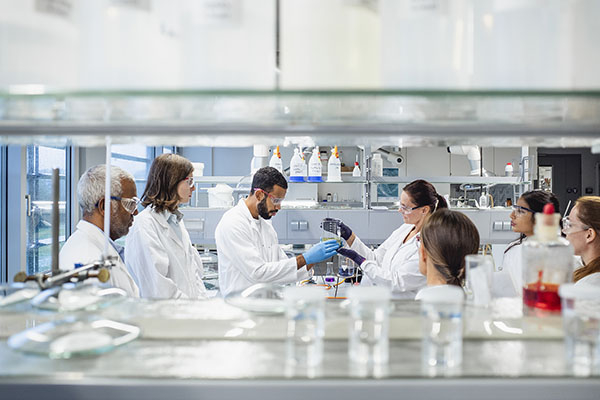
The International Iberoamerican University (UNIB), an institution that is part of the academic network of the Iberoamerican University Foundation (FUNIBER), is participating in a prominent international scientific review that analyzes the potential of natural compounds as innovative strategies for the chemoprevention and treatment of ovarian cancer, one of the gynecological cancers with the greatest impact on female mortality worldwide.
Ovarian cancer is currently the leading cause of death among gynecological cancers and ranks seventh in global incidence in women. According to available clinical data, about 70% of women experience recurrence of the disease within a few months after completing initial treatment, highlighting a persistent problem in the management of this pathology.
For decades, conventional therapies have been the mainstay of cancer treatment. However, their effectiveness is seriously limited by the development of resistance to chemotherapy. These limitations have motivated the scientific community to explore complementary therapeutic approaches that improve clinical efficacy while preserving patients' quality of life.
The scientific review, in which UNIB is participating alongside international researchers such as Luis Dzul López, systematically analyzes the role of phytochemicals and natural compounds as adjuvants to traditional chemotherapy. These compounds, derived mainly from plants, are characterized by their long-term safety and minimal or non-existent side effects, making them promising candidates for integration into oncological therapeutic strategies.
The review highlights that numerous experimental studies have demonstrated that these compounds possess relevant anticancer properties. The compiled results show that phytochemicals can inhibit tumor cell proliferation, modulate inflammatory processes, stimulate autophagy, and promote apoptosis or programmed cell death of cancer cells, while largely sparing healthy cells. Of particular relevance is the observation that these natural agents are capable of counteracting mechanisms associated with chemotherapy resistance, one of the greatest challenges in the treatment of ovarian cancer.
One of the most significant findings of the review is the ability of these compounds to act on ovarian cancer stem cells, which are considered responsible for tumor recurrence and therapeutic resistance. Scientific evidence suggests that regulating the growth and inflammation associated with these cells may play a decisive role in preventing relapse, opening up new perspectives for long-term control of the disease.
The study also analyzes the complex phenomenon of platinum resistance, classifying patients into sensitive, refractory, and resistant groups. Although the molecular mechanisms of acquired resistance have been extensively researched, the processes involved in platinum-sensitive recurrence are not yet fully understood. In this regard, the integration of natural products emerges as a promising strategy to mitigate chemotherapy-induced toxicity and enhance its antitumor efficacy.
The conclusions of the review indicate that the natural compounds analyzed are ideal candidates for improving the prognosis and quality of life of ovarian cancer patients, reinforcing the importance of comprehensive therapeutic approaches. This work highlights UNIB and FUNIBER's commitment to scientific research applied to health and to the generation of knowledge aimed at social well-being.
If you would like to learn more about this study, click here.
To read more research, consult the UNINI repository.